

Digital gaming operates fast, and its results are never guaranteed luckyjetcasino.uk. Users often search for something deeper than just statistical work or chasing betting patterns. They can discover a sturdy, time-tested system in Stoic philosophy, which teaches emotional regulation, focus, and resilience. This article explores how the central ideas of Stoicism align perfectly with playing Lucky Jet. Taking on a Stoic attitude allows a player transform their complete method. They learn to confront the game’s built-in highs and lows with a clear head and a organized strategy. The aim does not ensure a win each time. The aim is to cultivate an internal fortitude that makes the experience more considered, more enjoyable, and a sustainable activity, no matter what transpires in any single round.
The discipline of Approval: Managing Drives in Real Time
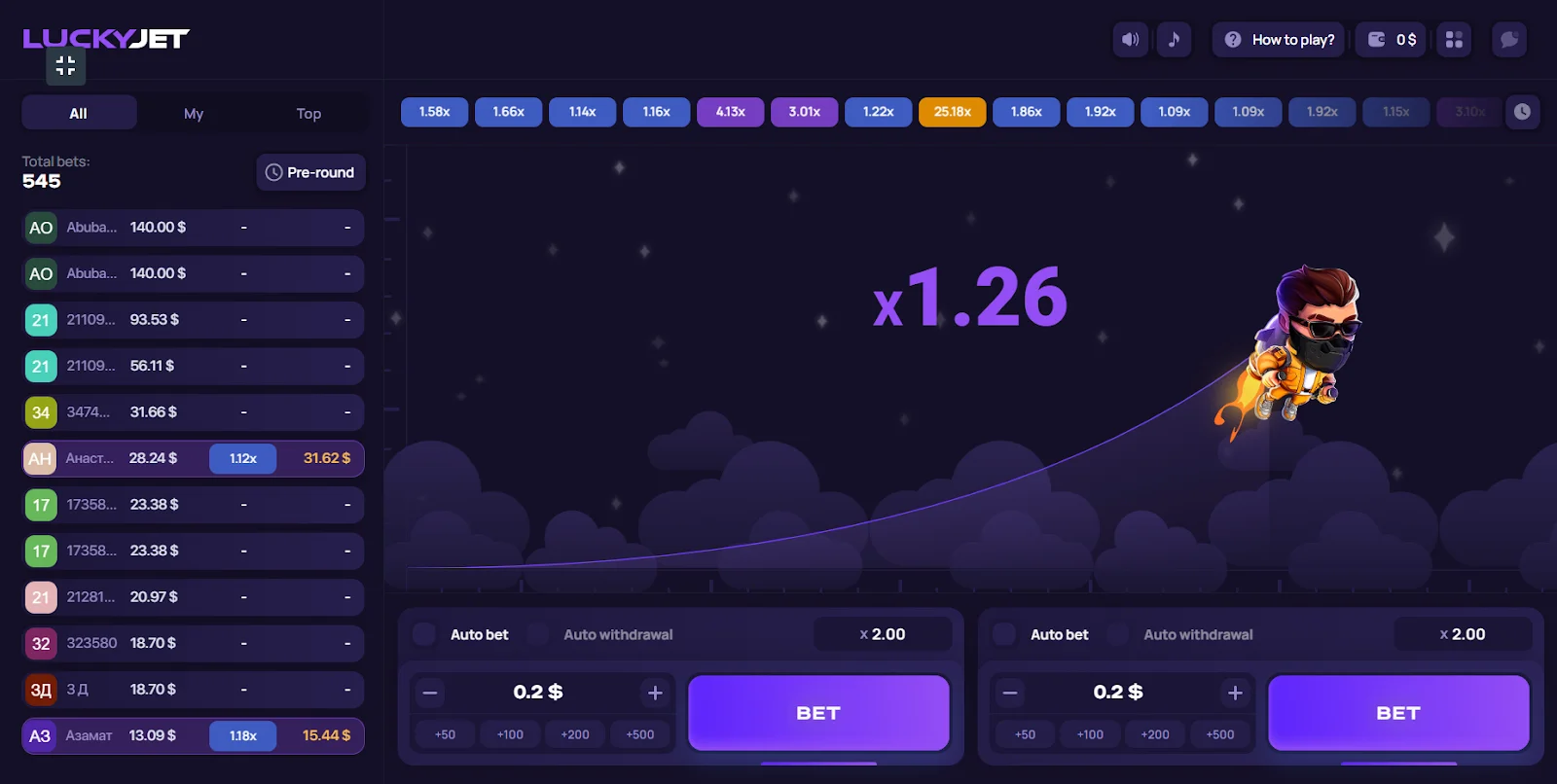
Stoic philosophy discusses a strong mental stage called the practice of approval. It describes the short interval between something happening and our assessment of it. In Lucky Jet, this takes place in the crucial seconds as the multiplier grows. The first emotion might be covetousness (“I should let it go higher”) or dread (“I need to cash out now”). An undisciplined mind gives in to these urges right away, resulting in actions that violate a approach made earlier. The Stoic gamer, nevertheless, inserts a stop. They notice the drive as it emerges, recognize it—a prompt from their sentiments—and then deliberately select whether to endorse it, based on rationality and their established strategy.
This instant mental control is the operating heart of Stoic gaming. It stops you from running after losses after a sudden crash or raising your bets during a hot streak. By exercising this pause, we create space between ourselves and the direct flow of our senses and emotions. We create space for our logical, pre-decided rules to assume command. For instance, if your plan is to cash out at 2x, observing the multiplier hit 1.9x might spark a strong impulse to hold on. The principle of approval lets you detect that desire, identify it as greed, and then deliberately pick the step that fits your approach: withdrawing. This continuous, small-scale application of self-discipline is where philosophy becomes practice on the gaming screen.
Looking Down from Above: Holding Outlook on the Match
Stoics practiced an practice known as the “View from Above.” It was designed to provide clarity by zooming out from your current state. You might envision peering down on your community, then your country, and eventually the whole earth, seeing how small your own concerns are in the grand scheme. Using this with Lucky Jet is a powerful remedy for the single-mindedness gaming can create. In the midst of a playing period, one stake can seem like the most critical event in the world. The View from Above prompts us that this turn, this playthrough, and including this activity, is a small, passing endeavor in the huge scope of our whole existence.
This outlook helps preserve a balanced connection with the game. It stops us from losing ourselves, where our self-esteem gets linked to how we fare in a game of luck. It reminds us that Lucky Jet is just one type of recreation out of many, a short pause rather than a central life aim. When we zoom out, we view our gambling next to our work, our bonds, our other hobbies, and our obligations. This wide perspective organically steers us toward restraint, enhanced time control, and a feeling of proportion. A defeat gets put in context as a trivial event in a week filled with numerous matters. This habit is crucial for preserving balance and making sure chasing pleasure doesn’t inadvertently harm other, more important aspects of living.
The Structure of a Stoic Gaming Session
The final goal of Stoic practice is to create an “Inner Citadel,” a mental fortress that remains composed and virtuous even when outside things are turbulent. A Lucky Jet session, with its rapid rounds and changing fortunes, acts as a perfect modern training ground for developing this. Each round is a practice. A climbing multiplier challenges our discipline against greed. An early crash probes our resilience against frustration. A successful cash-out probes our humility against pride. The whole session is a ongoing practice in employing the principles of control, assent, and perspective in real time. We conduct this training by keeping mindfully observant of our internal state the whole time. We watch our thoughts and feelings from a small distance, labeling them without letting them rule us. We make tiny breaks between rounds to refocus, consciously releasing of the last flight’s result before starting the next one.
This practice changes gaming from a inactive, responsive activity into an engaged, deliberate exercise in self-discipline. The actual win isn’t recorded on your balance sheet these days. It’s recorded in the level of your attention, the steadiness of your click, and the stillness in your head as you move through the erratic flight paths. The game transforms into a tool for philosophical practice. A Stoic method arranges the whole gaming experience into clear phases, each with its own purpose. The pre-session is for reflection and establishing rules. Here we do Premeditatio Malorum and set firm financial and strategic parameters. The live session is the field for the practice of assent, where we implement our approach with concentrated detachment, noticing our impulses without pursuing them. The post-session is set aside for looking back, a peaceful time to review what we accomplished against our values, clear from the pressure of the time.
The Real-World Application of Post-Session Review
This three-part structure organizes the disorder. It frames Lucky Jet not as a vague activity but as a intentional discipline with a start, a middle, and an finish. The most underappreciated yet vital part is the contemplative pause after playing. Here we employ the View from Above on our own actions. We raise objective questions. Did I follow my rules? Where did my desires feel strongest? Did I preserve my mental stability? This isn’t a fault exercise. It’s a clinical assessment, like an sportsman analyzing game footage. This synthesis phase is where real education and character growth happen. It completes the cycle, making sure every session, win or lose, assists fortify our Inner Citadel. It renders us more calm and disciplined gamblers, and people, going onward.
The reflective pause is more than an abstract concept. It demands a concrete method to work. We recommend a disciplined five-minute check done away from the game screen. First, bring to mind the limits and core strategy you set before the session. Second, mentally go over the key decision points, especially ones where you felt an intense emotional draw, and note what you actually did. Third, measure those actions to your pre-set rules without commending or blaming yourself. Fourth, pick out one specific observation for next time, like recognizing that greed feels strongest after two wins in a row. Finally, deliberately close the session, metaphorically shutting the chapter to stop yourself from ruminating. This disciplined reflection turns experience into wisdom. It ensures you keep moving forward in your Stoic practice.
The Stoic Foundation: Grasping What Lies in Our Power
The core of Stoicism represents the dichotomy of control, a principle the philosopher Epictetus made famous. It creates a distinction between what we can influence and what is not. This line means everything in Lucky Jet. We possess full control over our own actions, choices, and reactions. We pick our bet size. We choose when to cash out. We define our session limits and our overall budget. We govern how much we prepare, how well we master the game’s rules, and how faithfully we stick to a strategy we chose beforehand. Everything else lies beyond that circle. The exact multiplier where the jet disappears, the result of any given round, the random order of wins and losses—these things are not up to us. A Stoic player invests their energy only into the first category, meeting the second with calm acceptance.
This acceptance is not resignation. It’s an engaged, rational recognition of the true nature of reality. Once we truly understand that the jet’s flight path is pure chance, we quit spending emotional energy on results we cannot influence. Feeling angry about a “near miss” or thrilled by a “lucky win” are just reactions to outside events. They do not reflect about our merit or our skill. The spotlight shifts to the quality of our decisions. Did we stick with our cash-out plan? Did we handle our bankroll smartly? If we judge ourselves only on these controllable factors, we establish a base of discipline and self-respect that the game’s randomness cannot disturb. This shift in thinking is the first and most important step in bringing Stoicism to Lucky Jet.
A Stoic’s Bankroll: Fortune and the Value of Stewardship
For a Stoic, material items like money were “preferred indifferents.” They possess no moral value in themselves—they never make us good or bad—but it’s normal to want them rather than not, as long as we obtain and handle them wisely. A Lucky Jet bankroll matches this description exactly. The money is indifferent. The virtue appears in how we manage it. Stoic gameplay, therefore, places the highest importance on the ethical and sensible handling of funds. The aim changes from “growing the bankroll no matter what” to “handling the bankroll with wisdom, temperance, and fairness to yourself.”
This thinking calls for a strictly principled approach for financial stakes. We establish a separate entertainment budget, money apart from what we must have for essentials. We treat it like the price of the experience itself. Inside that budget, we set firm session limits and bet sizes that are a very small part of the total. This lets us weather the volatility. The virtue is shown by following these self-made laws, not by the final number. A session where we lose our pre-set limit but stick exactly to our rules is, from a Stoic view, more successful than a session where we earn a lot but through reckless, uncontrolled betting. The bankroll becomes a practice field for the key virtue of temperance.
Premeditatio Malorum: Preparing for Volatility
Stoický postup of “Premeditatio Malorum,” or the anticipace of problémů, means živě si představovat possible komplikace to snižit their emotional dopad and to plan your reakci. For Lucky Jet, this is a key strategic tool. Before zahájením a hry, a Stoic player will vědomě přemýšlet about špatné scénáře. They will mentally practice a šňůru neúspěchů in a row, představit si the jet padající at very low multipliers again and again, or imagine the sensation of propuštění a cash-out bod by a tiny amount. This není pesimistické. It’s a kind of citové and strategické očkování.
By konfrontovat these možnosti ahead of doby, we odebereme their power to zaskočit or throw us off later. When a streak of losses přijde, it není a devastating šok. It’s to, co we’ve already thought about klidně, and we disponujeme a plan for it. This preparation directly ovlivňuje bankroll řízení, the most hmatatelné use of this idea. Vědomí that bad runs are nevyhnutelné, we logicky rozhodneme in advance what podíl of our funds to riskovat per hru and per vsazení. This garantuje no pravděpodobná losing šňůra can wipe out our zdroje. This praktika strengthens the mysl against panic. It zachovává our jednání guided by what we naplánovali, not by the zmatek of a moment’s bad luck.
Amor Fati of Every Flight
One core Stoic concept is “Amor Fati,” which signifies loving your fate. This extends beyond just accepting what happens. It means accepting every event, good or bad, as a needed part of the bigger picture. For someone using Lucky Jet, this involves building an attitude that accepts every outcome of the jet’s flight. Cashing out early for a profit and watching the jet crash before it hits your target multiplier should both be received with the same constructive look. Each result is a source of information, a lesson, and a vital part of the gaming session. This philosophy breaks down the harmful mindset that considers losses as purely bad and wins as the only good outcome. Instead, every round becomes a useful experience that teaches us something and builds our approach stronger.
Using Amor Fati changes the emotional feel of the game. The nervous tension that often grows as the multiplier goes up gets exchanged by calm watching. When we discover to love the fate of each flight, we remove the pain out of losses and the addictive high out of wins. A loss becomes a chance to work on bouncing back and to assess how solid our money rules are. A win becomes a confirmation that our disciplined process works, not a reason for overreacting. This mindset promotes a long view, where the value stems from steadily using your principles, not from the temporary result of one bet. It allows us view Lucky Jet as an exercise in character, not just a pursuit for money.
Stoikova Resilience Against Gaming Fallacies
Velkým problémem in games jako Lucky Jet is lidská tendence důvěřovat cognitive klamům, například gamblerův klam nebo pocit kontroly. Stoikova moudrost, se svým zaměřením on logic a vidění reality přesně, dává a solid ochranu proti těmto mistakes. Gamblerův klam představuje chybné přesvědčení, že dřívější nezávislé události ovlivňují budoucí ones, like expecting a crash because proběhlo several úspěšných flights za sebou. Stoicism fights this upevňováním the knowledge, že každé kolo je nezávislá nahodilá event. Její výsledek je zcela neodvislý od toho, co se stalo dříve. Pocit kontroly is the belief, že vaše činy or rituals mohou působit na náhodný generátor. Stoická filozofie to boří neustálým vracením zaměření zpět na skutečné místo řízení: our judgments a volby, not the game’s algorithm.
Osvojením stoického odhodlání to seeing the world as it is, ne jaký ho chceme mít, chráníme se from these zavádějícími způsoby myšlení. Když cítíme pověrčivé svědění to change our cash-out point na základě “vzoru” který jsme údajně zaznamenali, můžeme to rozpoznat as just an impression to look at, not a truth to act on. Tento jasnozřivý realismus střeží jak náš bankroll bloomberg.com i naši psychickou pohodu. Umožňuje nám užívat si the game’s real entertainment value—vzrušení, proces rozhodování, the visual show—bez toho, abychom se stali otroky klamných vyprávění about luck or skill kde neexistují. Tato odolnost nás proměňuje from vulnerable participants v ukotvené pozorovatele. Hrajeme si without being played vlastními předsudky.
Využití Stoic philosophy ve hře Lucky Jet provides a transformative framework. Klade sebekázeň nad pomíjivou náhodu. By concentrating on co máme pod kontrolou—our decisions, naše odpovědi, naši připravenost—we free ourselves obav z nahodilosti. Koncepty jako Amor Fati and the Discipline of Assent poskytují praktické pomůcky pro pohyb skrze volatilitou hry with composure. Praktiky jako Premeditatio Malorum a Pohled shora make sure, that our engagement is trvale udržitelné and balanced. Nakonec, this approach předefinovává co znamená úspěch. Hodnotí ho nikoli množstvím peněz, but by resilience built, projevenou disciplínou and emotional balance kept. Doing this proměňuje každou hru into a chance k osobnímu rozvoji. It makes zážitek z Lucky Jet příjemnějším and, in a deeper way more meaningful.